Where not to place a preserved moss display
Choosing the right spot for your preserved moss
Preserved moss brings a quiet, natural texture indoors without the maintenance of live plants. But its lasting beauty depends on where you put it. A few common spots can shorten its life, fade its color, or turn a lovely feature into a dusty mess. Here are the places to avoid and why.
Direct sunlight
That bright windowsill or sun-drenched wall might seem ideal for greenery, but preserved moss is not a sun lover. Direct sunlight, especially through a window, acts like a bleach. Ultraviolet rays break down the dyes and natural pigments used during preservation, turning rich greens into washed-out yellows or browns within weeks. Even indirect but strong light can accelerate fading over time. Choose a spot that gets ambient light or soft, reflected daylight. A north-facing wall, a hallway with no windows, or a room with sheer curtains all work better. The moss will keep its color stability far longer out of the sun's direct path.
Over a heat vent or radiator
Warm, dry air rushing over a moss display dries out the preservation agents that keep the fronds supple. While preserved moss no longer needs water, it still needs a stable humidity level. Direct heat makes the leaves brittle, causes curling, and can even shrink the moss away from its backing. A spot above a radiator, near a heating duct, or in front of a space heater is a recipe for a sad, crispy look. Aim for a location where the air temperature stays moderate and doesn't fluctuate much. A living room wall away from the heat source, or a bedroom corner that stays cool, will keep the moss looking fresh.
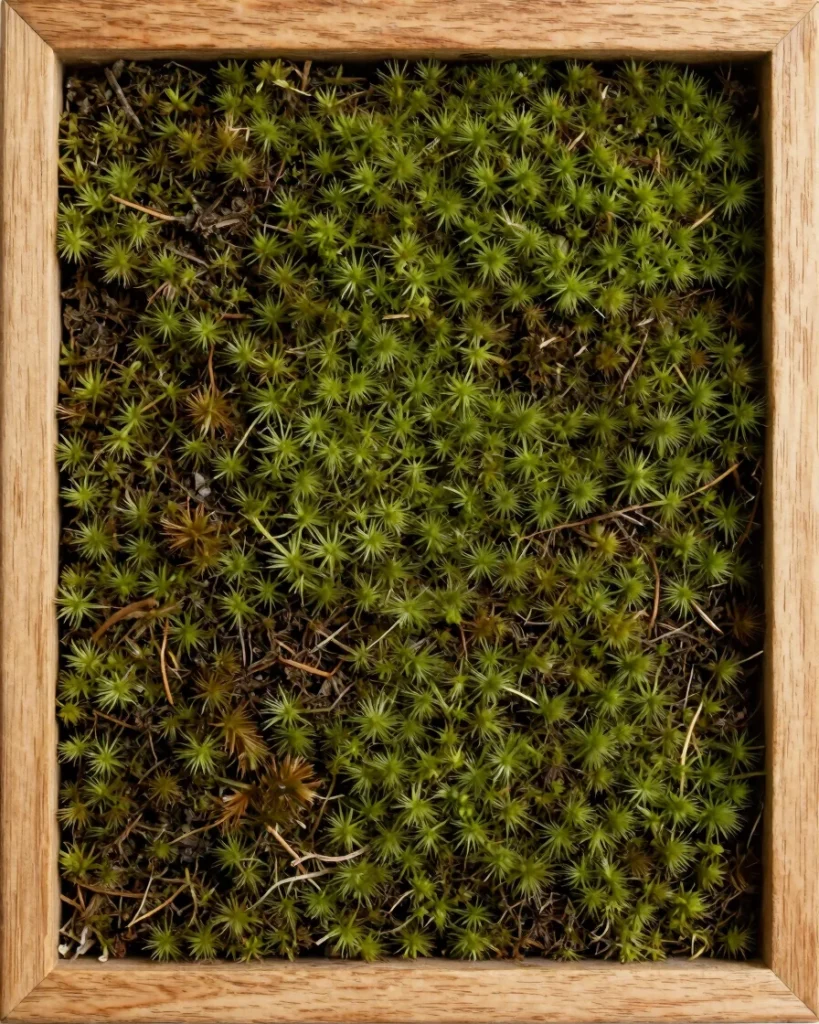
Damp or steamy rooms (bathrooms without ventilation)
It sounds logical: moss likes moisture, so a bathroom must be perfect. But preserved moss is not alive and does not benefit from humidity. In fact, persistent high humidity can cause problems. Condensation on the moss surface can lead to mold growth on the backing material or on the moss itself, especially if the room lacks good airflow. A steamy shower three times a day creates a microclimate that is too wet for preservation. If you really want moss in a bathroom, choose a spot well away from the shower, and ensure the room has an exhaust fan or a window you can open after bathing. Even then, check the moss periodically for any signs of dampness or discoloration.
Near a dusty corner or an open window
Preserved moss is a magnet for dust. Its textured surface catches every particle that floats by. Placing a display near an open window, a frequently used door, or a low-traffic corner where dust collects will make it look grimy within a month. Dust also dulls the color, hiding the rich green tones under a grey film. While you can clean it with a soft brush, you would have to do it often. A better bet is a spot away from drafts and high-traffic zones. A wall behind a sofa or a shelf in a low-traffic hallway stays cleaner longer. The less dust the moss collects, the less work you have maintaining it.
In a room with drastic temperature swings
Preserved moss is stable, but extreme changes in temperature can affect the preservation layer. A spot right next to a frequently opened patio door, or above a fireplace that is lit only on weekends, subjects the moss to cycles of cold and heat. These swings can cause the backing material to expand and contract, which might loosen the moss or create gaps. Over a season or two, the display can look uneven or even shed small pieces. Consistent indoor environment temperatures, like those in a living room or office, are ideal. Keep the moss away from any source of sudden change.
Directly under an air conditioning vent
Air conditioning blasts cold, dry air that strips moisture from the preserved moss just as efficiently as a heater does. The constant stream of air also stirs up dust and deposits it on the surface. A moss display placed under a ceiling AC vent or a wall unit will dry out faster and collect more grime. If the room has no better spot, consider redirecting the vent's airflow away from the display, or placing a small deflector on the vent. The moss will thank you by staying pliable and bright for years.

On a dark, damp basement wall
Basements often have higher humidity, less airflow, and a tendency toward mustiness. Placing a preserved moss display on a basement wall, especially one that is below grade or prone to dampness, invites mold and mildew. The moss itself may not grow mold, but the backing material can. A damp wall also transfers moisture into the display over time, weakening the adhesive and staining the backing. If you want moss in a basement, first check the wall for any signs of moisture. Use a dehumidifier to keep the room dry, and ensure good ventilation. Even then, a basement is a riskier spot than a ground-level room.
In a kitchen near the stove or sink
Kitchens combine heat, steam, grease, and temperature swings. A moss display near the stove gets hit with steam from boiling pots and grease particles from frying. Grease clings to the moss and is very hard to remove without damaging the texture. Steam can also soften the adhesive. A spot near the sink faces similar humidity issues. A kitchen can work if the moss is placed well away from cooking and washing areas, ideally on a wall that stays cool and dry. A breakfast nook wall or a sideboard in a dining area is safer than a backsplash next to the range.
Where you cannot reach it to clean
This is less about the environment and more about practicality. Moss needs occasional dusting with a soft brush. If you place a display high on a wall, behind furniture, or in a narrow alcove, you might skip that care. Dust builds up, and the moss loses its appeal. Choose a spot you can easily reach with a step stool or a long-handled duster. A display that is easy to maintain will stay beautiful. If you really want a moss wall art piece in a hard-to-reach spot, consider a smaller piece or one that is mounted on a frame you can take down for cleaning. Sites like mosswallart.design offer a range of sizes, so you can pick one that fits both your wall and your cleaning routine.
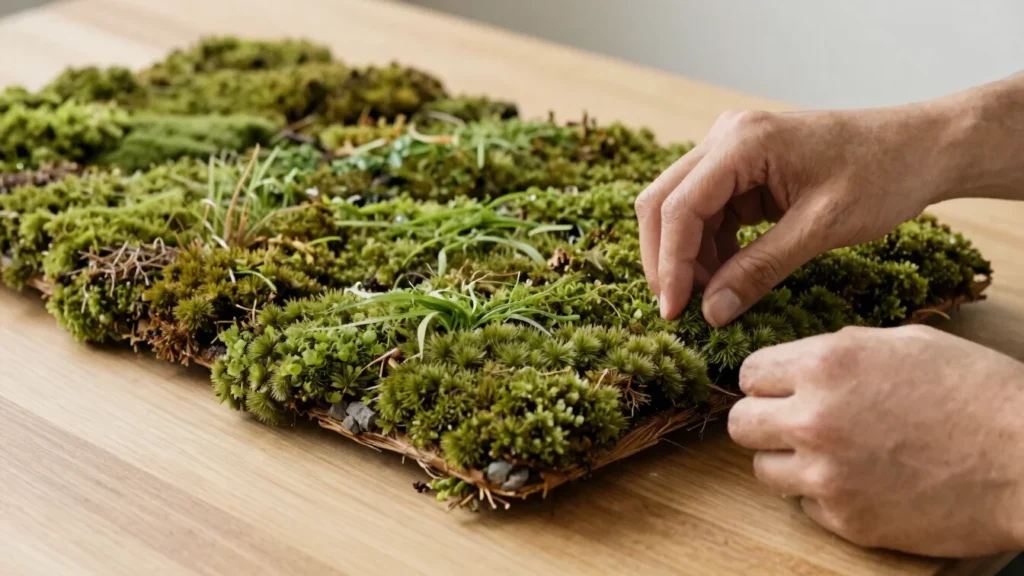
Preserved moss is a low-maintenance choice, but it is not zero-maintenance. The right placement makes all the difference between a display that looks vibrant for years and one that fades, collects dust, or falls apart. Think about light, heat, humidity, and dust before you hang your moss. A little forethought keeps it looking as good as the day you put it up. For inspiration on what you can create, mosswallart.design provides kits and ready-made pieces that work well in the spots we have discussed. A well-chosen location lets you enjoy the calm, natural beauty of preserved moss without constant upkeep.